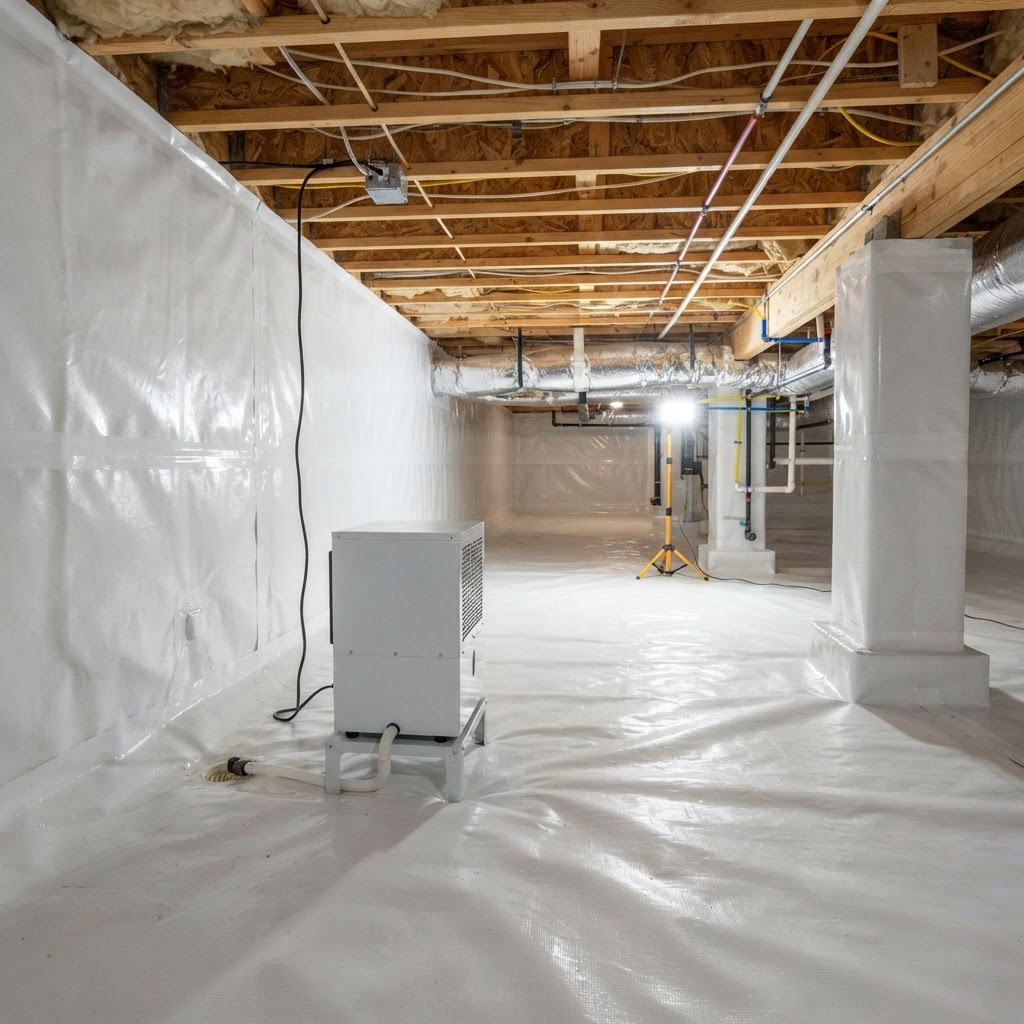
That basement smell is one of the most common complaints we hear from Bloomington homeowners, and it's especially common in older houses and rentals around campus. Musty odor means moisture, and lasting moisture means mold can grow on drywall paper, carpet pad, wood framing and the cardboard boxes everybody stores downstairs.
Bloomington Basement Waterproofing connects you with an independent local contractor who handles moisture control and waterproofing. Call (317) 798-0634. For significant mold growth, a mold remediation specialist may also be needed.
Where the Moisture Comes From
Liquid water. Seepage through walls, cracks or the floor-wall joint during wet weather. This has to be fixed with drainage first; a dehumidifier can't keep up with water on the floor.
Humid summer air. Southern Indiana summers are muggy. When warm, humid air reaches cool basement walls and floors, it condenses. Opening basement windows in July often makes it worse, not better.
Ground moisture. Concrete and block wick moisture from the soil even without visible leaks, especially on clay soils that stay damp.
Household sources. Unvented dryers, showers in basement bathrooms, and drying laundry indoors add a surprising amount of water vapor.
Humidity Targets
Mold generally struggles when relative humidity stays below about 50 to 60 percent. A cheap digital hygrometer tells you where you are. If readings sit above 60 percent for weeks in summer, you need active dehumidification.
Portable vs. Whole-Basement Dehumidifiers
Portable units from big-box stores work for small, tight basements but often struggle in larger spaces, can freeze up in cool basements, and need emptying unless you run a hose to a drain.
Whole-basement (ducted or high-capacity) dehumidifiers are designed for cooler temperatures and larger volumes, run more efficiently, and drain continuously to a sump or condensate pump. They cost more up front but are usually the better long-term option for a full basement.
Sizing depends on square footage, how damp the space is and air leakage. A contractor can recommend capacity.
The Right Order: Water, Then Air, Then Cleanup
- Stop liquid water. Gutters, grading and, if needed, interior drain tile and a sump.
- Control humidity. Dehumidifier, sealed sump lid, and air sealing at the rim joist.
- Address mold. Small areas on hard surfaces can often be cleaned; porous materials like drywall and carpet that grew mold are usually removed. Larger areas, roughly more than a small patch, warrant a professional.
- Rebuild smarter. If finishing the basement, use moisture-tolerant materials, leave a gap at the floor, and consider an insulated wall system rather than drywall directly on block.
Wall Vapor Barriers and Sealed Sumps
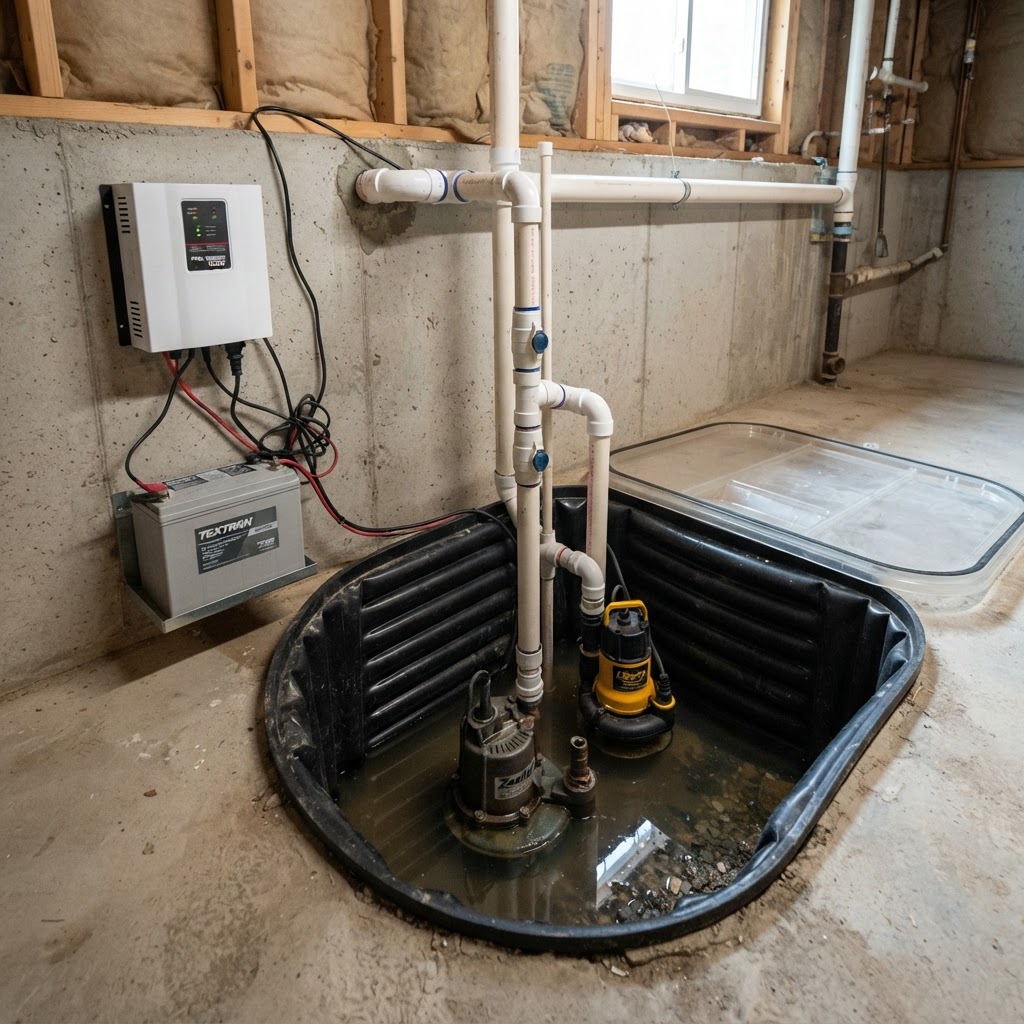
Interior wall membranes installed with a drain system direct seepage down to the drain and reduce moisture from the walls. A sealed, gasketed sump lid keeps sump water from evaporating into the room. Both help a dehumidifier do its job.
Rentals and Student Housing
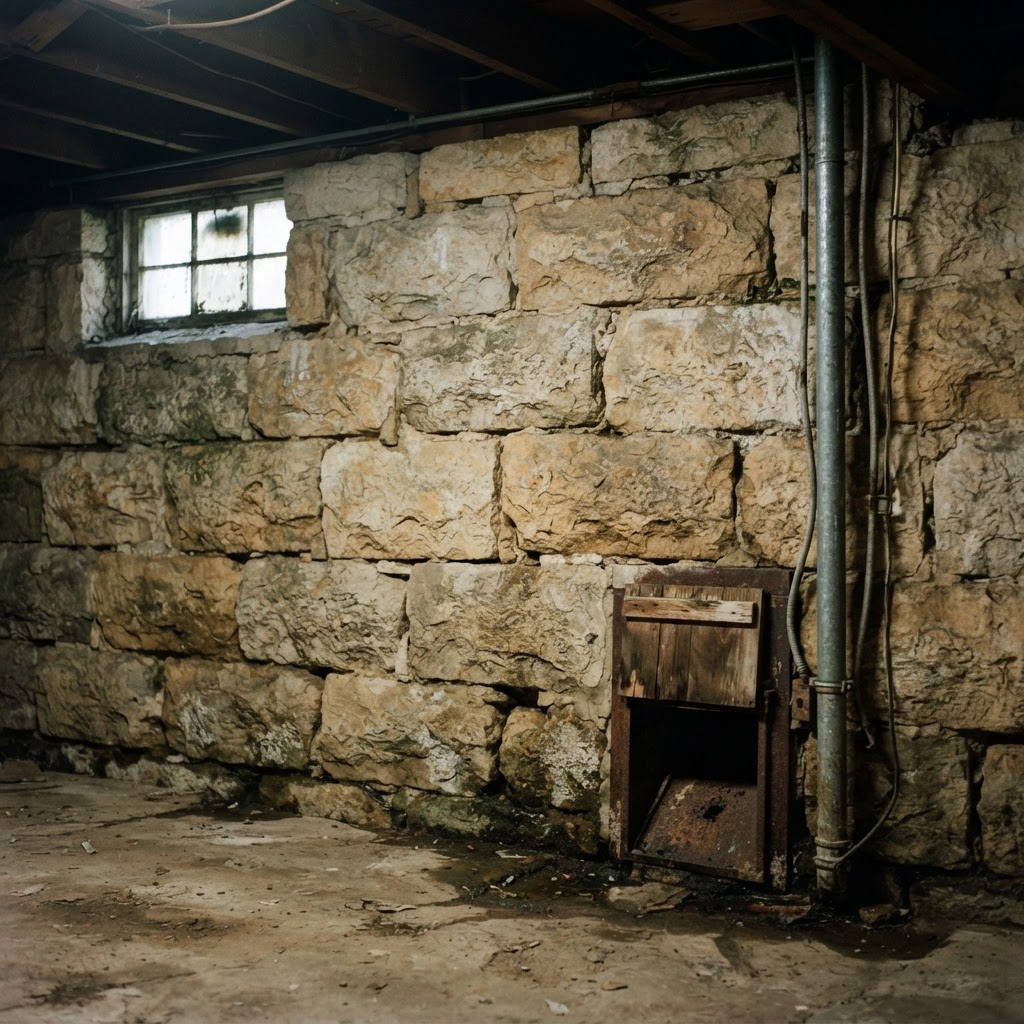
In rental houses, landlords typically handle water intrusion and major mold issues, while tenants can help by running provided dehumidifiers, keeping vents clear and reporting leaks quickly. Your lease and Indiana law set specifics.
Health Note
Mold can aggravate allergies and asthma. If anyone in the home has health concerns, talk to a doctor, and consider professional testing and remediation. We're not medical or remediation professionals.
What It Costs
As typical estimates, a whole-basement dehumidifier installed often runs about $1,500 to $3,000; portable units a few hundred dollars. Mold remediation costs vary widely by area. These are planning ranges, not quotes. See waterproofing costs.
What Moisture Control and Dehumidifiers Cost
A portable dehumidifier is a modest purchase. A whole-basement dehumidifier installed with a drain line costs more and depends on unit capacity, drain setup, ducting and electrical work. Mold cleanup pricing depends on the size of the affected area and what materials must be removed. If liquid water is coming in, waterproofing costs are separate. Costs vary from house to house; treat any figure you see online as a general typical range and call (317) 798-0634 for a free quote.
See all ranges on our basement waterproofing cost guide.
Frequently Asked Questions
Tired of the musty smell?
Call (317) 798-0634 or request a visit.